
A cryptic letter penned by a 17th-century nun, Sister Maria Crocifissa della Concezione, has been deciphered after confounding scholars for centuries.
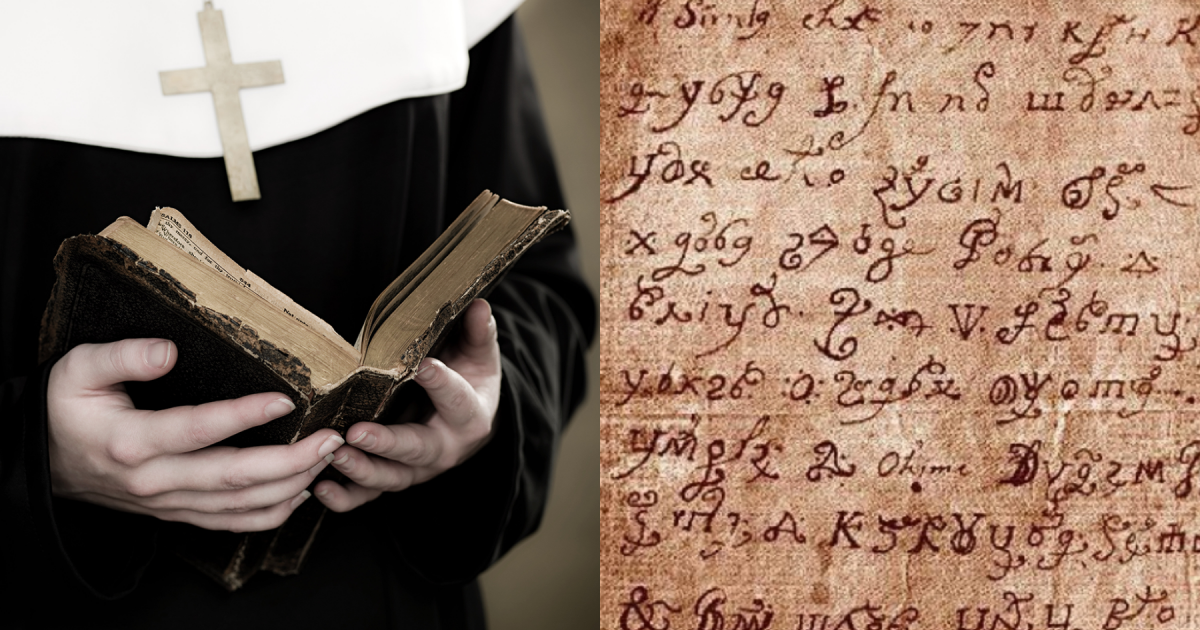
1676 Devil Letter Penned by 'Possessed' Nun Deciphered After Centuries
By
maks in
This Blew Up My Mind
Published On 25th May 2024
Sister Maria, who was 31 at the time and resided at the convent of Palma di Montechiaro in Sicily, is said to have written the letter while under demonic possession.
The unsettling discovery of Sister Maria occurred on August 11, 1676.
She was found collapsed on the floor of her cell, her face smeared with ink, tightly holding a letter composed of a bewildering mix of symbols and letters.
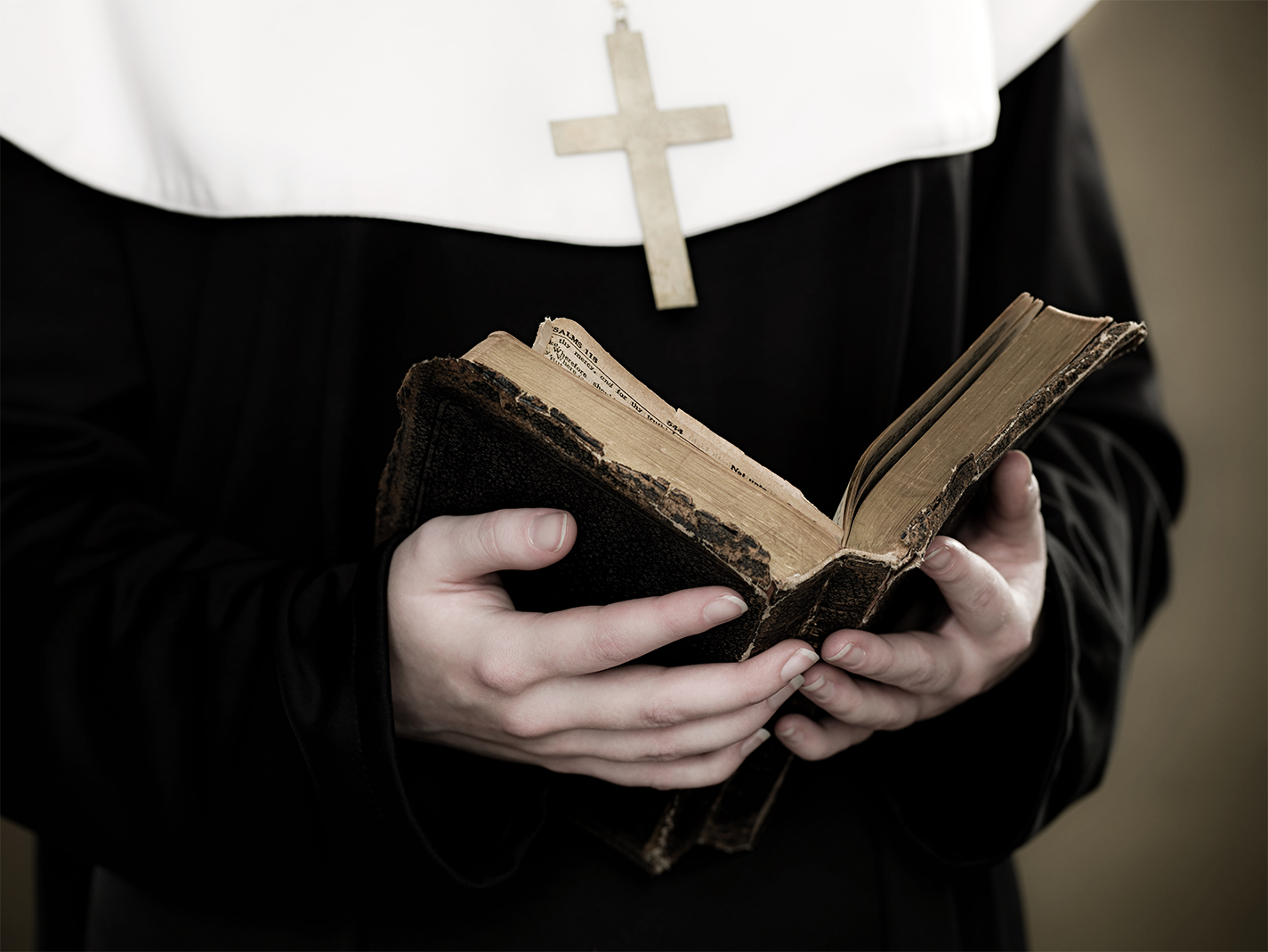
Historical accounts from the time indicate that Sister Maria herself claimed that the letter had been dictated by the devil.
The purpose, she asserted, was to turn her away from God and lead her towards evil.
The letter itself, comprising 14 lines, has been a source of intrigue and mystery among historians and archaeologists for many years, but recent efforts have finally begun to illuminate its contents.
Speaking to Live Science, Daniele Abate, the director of Ludum, emphasized the importance of understanding the author's psychological state in historical decryption efforts:
"When working on historical decryption, you cannot ignore the psychological profile of the writer. We needed to know as much as possible about this nun."
Historians have noted that Sister Maria was merely 15 years old when she dedicated her life to God by entering the Benedictine convent.
Abate added more about the technical process: "The letter appeared as if it was written in shorthand. We speculated that Sister Maria created a new vocabulary using ancient alphabets that she may have known."
To determine the exact script used in the letter, the team employed specialized software that analyzed shorthand symbols from numerous languages.
Their research uncovered that the letter included elements from a range of ancient scripts such as Greek, Latin, Runic, and Arabic.
Abate detailed their approach to decrypting the text: "We analyzed how the syllables and graphisms [or thoughts depicted as symbols] repeated in the letter in order to locate vowels, and we ended up with a refined decryption algorithm.
"We thought we could just come out with a few words making sense. But the nun had a good command of languages. The message was more complete than expected."
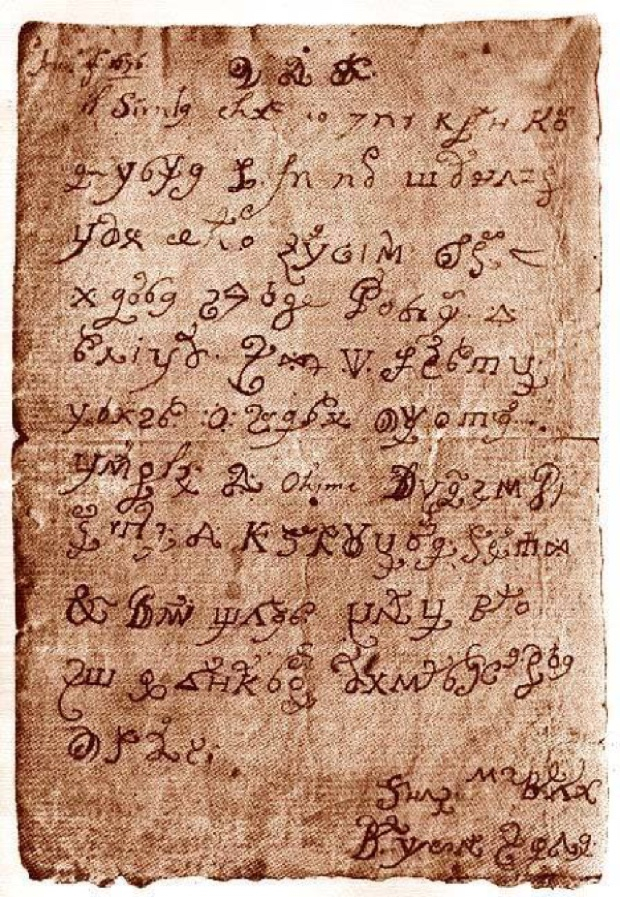
The letter also made controversial references to the Holy Trinity, describing it as 'dead weights' and proclaimed:
"God thinks he can free mortals. The system works for no one. Perhaps now, Styx is certain."
The reference to Styx, the river in ancient Greek and Roman mythology that marks the boundary between the earth and the underworld, adds a mythical dimension to the message.
Abate suggested that the themes of the letter could reflect Sister Maria’s mental state at the time.
He remarked, "The image of the devil is often present in these disorders. We learned from historical records that every night she screamed and fought against the devil."
Thus, the letter not only provides insight into the historical and psychological complexities of its author but also into the cultural interpretations of spiritual and demonic influences during the 17th century.
More In This Blew Up My Mind
This Blew Up My Mind
 1676 Devil Letter Penned by 'Possessed' Nun Deciphered After Centuries
A cryptic letter penned by a 17th-century nun, Sister Maria Crocifissa della Concezione, has been de...
May 25, 2024
This Blew Up My Mind
 What Does It Symbolize When A Person Who Passed Away Shows Up In Your Dream
It Should Make You Think.
May 25, 2024